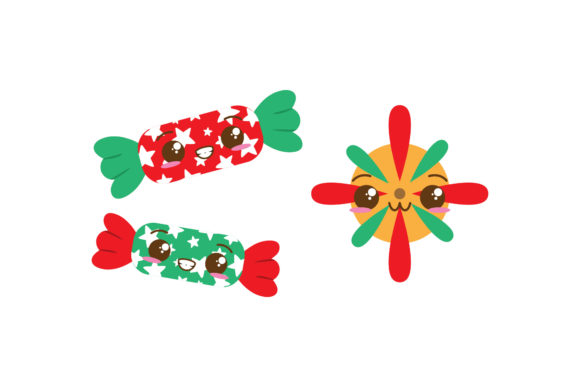
Candy Decoration Set Christmas Vectors Review
As a designer who spends just as much time behind an embroidery machine as I do in vector software, I approach every new graphic asset with a specific question: will this actually stitch well? When evaluating the Candy Decoration Set Christmas Vectors, my focus shifts immediately from screen aesthetics to production reality. This collection is categorized under Illustrations and Graphics, but for makers and small business owners, its true value lies in its potential as a foundational element for holiday merchandise. The set arrives in AI, EPS, SVG, DXF, JPG, and PNG formats with a canvas size of 1920 px X 1280 px, providing ample resolution for both digital mockups and digitizing reference. However, having high-resolution vectors is only the starting point; the real test is how these shapes translate into thread on fabric.
First Impressions and Visual Personality
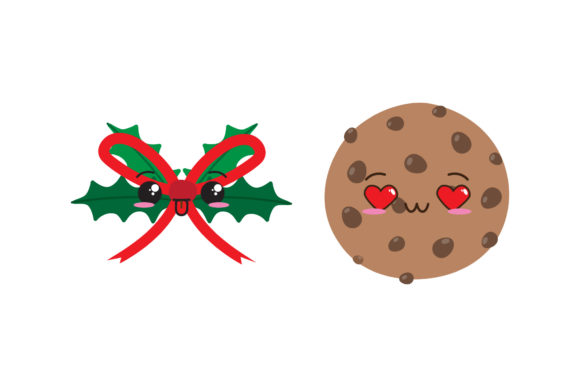
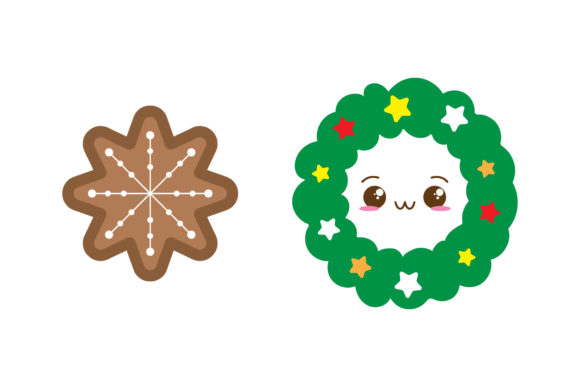
Upon opening the files, the first thing that stands out is the clarity of the lines. For an embroidery designer, clean vector paths are non-negotiable. Jagged edges or overly complex gradients in a source file often result in messy digitizing and excessive stitch counts. The Candy Decoration Set Christmas Vectors presents clean, distinct shapes that suggest a playful yet structured aesthetic. The mood is undeniably festive without being chaotic, making it suitable for a wide demographic ranging from children’s wear to sophisticated kitchen textiles.
The visual personality of these graphics leans toward versatility. They possess enough detail to be interesting as standalone motifs but remain simple enough to function as repeating patterns or border elements. As digital product sellers or Etsy sellers know, this balance is critical. A design that is too intricate limits its use to large hoops, while one that is too simple may lack perceived value. These vectors sit in a sweet spot where they can be adapted for various applications, provided the digitizer makes smart choices regarding stitch types and density.
Real-World Application: The Holiday Tote Bag Test
To truly judge this asset, I mentally applied it to a current client project: a series of custom embroidered tote bags intended as holiday gifts for a local boutique. Tote bags present unique challenges because canvas fabric has a distinct texture that can swallow fine details. Using the Candy Decoration Set Christmas Vectors as the base art, I envisioned a layout featuring three candy motifs arranged horizontally near the bottom hem.
In this scenario, the vector shapes would likely be converted into a combination of applique design and satin stitch outlines. The solid areas of the candy illustrations are perfect candidates for appliqué, which reduces stitch count and prevents the heavy, stiff feeling that comes with excessive fill stitch on canvas. The clean lines of the SVG and EPS files would serve as precise cutting templates for the fabric pieces. For the smaller accent details within the candy shapes, a running stitch or light tatami fill would maintain definition without competing with the fabric texture. This practical application highlights why having editable vector sources is vital; it allows the embroiderer to simplify or enhance specific elements to suit the physical constraints of the finished product.
Navigating Fabric Constraints and Hoop Sizes
While the Candy Decoration Set Christmas Vectors offers excellent flexibility, designers must exercise caution when adapting these graphics for difficult substrates. Not all fabrics treat stitch data equally. If you are planning sweatshirt embroidery or baby embroidery on stretchy knits, the original vector proportions may need adjustment. Stretch fabrics require lower stitch density and more open designs to prevent puckering. A dense, fully filled candy shape that looks perfect on screen could cause tunneling on a lightweight jersey knit.
Similarly, consider the hoop size limitations. The 1920 px X 1280 px canvas is generous, but your machine’s maximum stitching area dictates the final output. When resizing these vectors for small items like caps or baby bibs, avoid simply shrinking the digitized file. Instead, return to the vector source, scale the artwork appropriately, and re-digitize. Shrinking a machine embroidery design often results in overlapping stitches and thread breaks, whereas redigitizing ensures the stitch length and density remain optimal for the smaller scale. For curved surfaces like caps, the flat nature of these illustrations requires distortion compensation during the digitizing phase to ensure the candy shapes don’t appear warped once stitched on a rounded surface.
Impact on Product Value and Customer Perception
For creative entrepreneurs and handmade shop owners, the quality of your design assets directly influences buyer engagement and trust. Customers may not understand stitch density or vector nodes, but they instantly recognize professional execution. Embroidery projects derived from the Candy Decoration Set Christmas Vectors have the potential to look crisp and intentional because the underlying geometry is sound. This translates to higher perceived value for commercial embroidery products and personalized gifts.
Furthermore, consistent branding relies on reliable graphics. If you are building a holiday collection across multiple products—from tea towels to nursery decor—using a cohesive set of illustrations ensures visual harmony. The ability to edit these vectors means you can create matching sets where the color palette and line weight remain uniform, strengthening your brand identity. Whether you are selling physical goods or digital embroidery files, this consistency fosters recognition and encourages repeat business.
Essential Designer Notes for Production Success
Before committing the Candy Decoration Set Christmas Vectors to a commercial run or a cherished personal gift, adhere to these practical protocols:
- Test Stitch on Scrap Fabric: Never assume a digital preview equals physical reality. Always run a test on the exact fabric and stabilizer combination you intend to use for the final product.
- Evaluate Thread Color Contrast: Vector colors on screen are RGB or CMYK, but embroidery uses specific thread colors. Check how your chosen thread colors interact with the fabric background, especially on dark materials where contrast is key for visibility.
- Review Licensing Terms: While the files are guaranteed to be easy to use and editable, always confirm the specific license regarding commercial use. Verify whether you can sell finished products, digital embroidery files, or printable mockups created from these assets.
- Check Stabilizer Requirements: The appropriate stabilizer varies by project. A tear-away might suffice for a stable canvas tote bag design, but a cut-away is likely necessary for apparel to maintain registration over time.
- Mockup Verification: Use the included JPG and PNG files to create printable mockups for client approval or Etsy listings. However, clearly label them as digital previews so customers understand the texture difference between a pixel and a stitch.
- Inspect Small Details: Before digitizing, zoom in on the vectors. If any element is smaller than 2mm, consider removing or enlarging it. Tiny details often get lost in embroidery or cause needle deflection.
Final Thoughts for Makers and Sellers
The Candy Decoration Set Christmas Vectors serves as a robust foundation for holiday creativity, bridging the gap between digital illustration and tactile craftsmanship. Its strength lies in its clean geometry and multi-format availability, which empowers designers to tailor the art to specific embroidery needs rather than forcing a generic file onto incompatible fabric. By approaching these graphics with a technical mindset—considering stitch type, fabric behavior, and end-use application—you transform simple vectors into high-quality, marketable products. Whether you are crafting a personalized gift or stocking your shop with seasonal merchandise, thoughtful adaptation of this design set can lead to professional results that delight customers and streamline your production workflow.