Kitten Christmas Cat Pack: Festive Graphics & Illustrations
First Impressions for Seasonal Brand Identity Projects
When evaluating a new graphic design asset for an upcoming client campaign, my primary concern is always versatility and emotional resonance. Upon reviewing the Kitten Christmas Cat Pack, the immediate impression is one of accessible warmth and playful nostalgia. This is not a sterile, corporate holiday set; it possesses a distinct personality that feels handcrafted and intentional. For a designer tasked with refreshing the visual identity of a handmade business or launching a seasonal collection for an Etsy shop, these assets strike a crucial balance between professional polish and approachable charm.
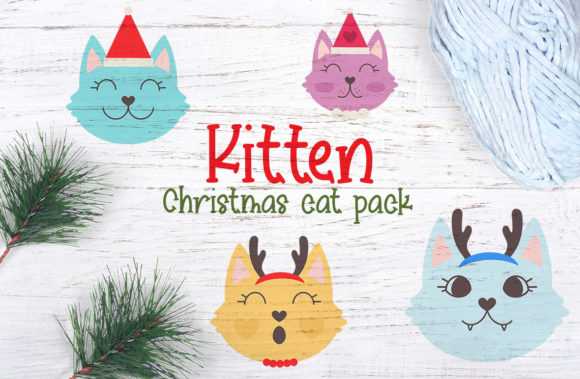
The set features five distinct cat face illustrations adorned with festive accessories like reindeer ears and Santa hats. While the product description playfully notes, "You have got to be Kitten me right meow," the actual utility of this design bundle is serious business for niche marketers. The style leans into modern illustration trends that favor soft lines and expressive character work over rigid vector perfection. This makes the pack exceptionally well-suited for clients in the pet industry, children’s publishing, cozy lifestyle blogging, or artisanal gift markets where establishing an emotional connection is just as important as the sale itself.
Deploying Feline Charm Across Print and Digital Mediums
In a real-world project scenario, such as designing a holiday packaging suite for a boutique cat treat brand, the Kitten Christmas Cat Pack performs admirably as a unifying visual thread. I tested these illustrations across multiple touchpoints to gauge their flexibility. For packaging design, the individual cat faces serve as excellent secondary branding elements. They can be rotated through a product line to create collectibility without requiring entirely unique artwork for every SKU. On a physical box or pouch, the expressions add a layer of delight that encourages customers to pick up the product from the shelf.
For digital applications, specifically social media graphics and Pinterest pins, these assets act as high-engagement anchors. In a crowded feed, a recognizable character often outperforms generic typography. I found that using one of the reindeer-eared cats as a profile picture badge or a recurring sticker element in Instagram Stories helped build immediate brand recognition for a mock client. Furthermore, for creators utilizing Canva templates or building Cricut projects, the isolated nature of these graphics makes them incredibly easy to integrate. Whether you are creating vinyl decals for mugs or designing a complex sublimation design for t-shirts, the clean edges and distinct silhouettes ensure the final output remains crisp.
Beyond merchandise, these graphics shine in editorial design and web layouts. As decorative accents in blog headers or email newsletters, they break up text-heavy content without overwhelming the reader. For print-on-demand sellers, the variety of five different expressions allows for the creation of cohesive collections rather than one-off designs, which is essential for increasing average order value in a creative marketplace.
Optimal Placement Strategies for Maximum Visual Impact
To get the most out of this digital product, designers must understand where these specific graphics thrive. The Kitten Christmas Cat Pack is best utilized in areas where there is sufficient negative space to let the character breathe. Hero sections on websites, large-format posters, and the front center of greeting cards are ideal environments. The details in the fur texture and accessory shading require room to be appreciated; cramming them into tight corners diminishes their quality.
These illustrations also excel as supporting brand elements rather than primary logos. While they are charming, they should complement a strong typographic logotype rather than replace it. Use them to frame text, decorate borders, or serve as watermarks on photography. In sticker design and planner accessories, they function perfectly as standalone focal points. However, for marketing visuals aimed at driving conversions, pair them with clear calls to action. The cat draws the eye, but your copy must close the deal.
Navigating Limitations in Professional Corporate Design
Despite its strengths, this asset requires careful handling in certain contexts. It is vital to recognize where this clipart does not belong. For minimalist luxury branding or strict corporate communications, the inherent whimsy of the Kitten Christmas Cat Pack may clash with the desired tone of authority and sophistication. If a client requires a sleek, ultra-modern aesthetic, these traditional holiday motifs might feel too juvenile or informal.
Technical limitations also apply regarding size and contrast. At very small scales, such as favicon usage or tiny footer icons, the facial details and accessories may muddy together, resulting in a loss of visual hierarchy. Additionally, because these are illustrative and detailed, placing them against busy photographic backgrounds or complex patterns can reduce readability. They perform best on solid colors or subtle textures. Designers working on commercial design projects must also consider audience demographics; while universally appealing, this style specifically targets a younger or more sentimental demographic and may not resonate with B2B audiences seeking data-driven professionalism.
Essential Pre-Flight Checks for Commercial Application
Before integrating the Kitten Christmas Cat Pack into any paid client work, a rigorous technical review is non-negotiable. Professionalism lies in the preparation. First, always verify the commercial license. Just because an asset is available for purchase does not automatically grant unlimited rights for resale, POD usage, or trademarking. Confirm the specific terms to protect both yourself and your client from future legal complications.
Next, test the files extensively. If you are working with PNG design files, inspect the transparency masks closely. Jagged edges or leftover background artifacts can ruin a t-shirt design or print job instantly. Zoom in to 400% to check for pixelation or compression errors. If SVG design files are included, open them in your vector software to ensure nodes are clean and paths are closed, especially if you plan to modify colors or resize for large-format printing.
Typography pairing is another critical step. Test these illustrations against various font styles. A rounded sans-serif or a playful handwritten script typically complements this aesthetic better than a sharp, geometric serif. Create a mood board to ensure the typeface weight matches the visual weight of the cat illustrations. Finally, never skip the print test. Colors on screen rarely match ink on paper perfectly. Print a sample at actual size on the intended substrate to verify color accuracy and detail retention. By treating this creative design asset with the same scrutiny as custom-drawn artwork, you ensure the final deliverable meets professional standards and delights the end user.