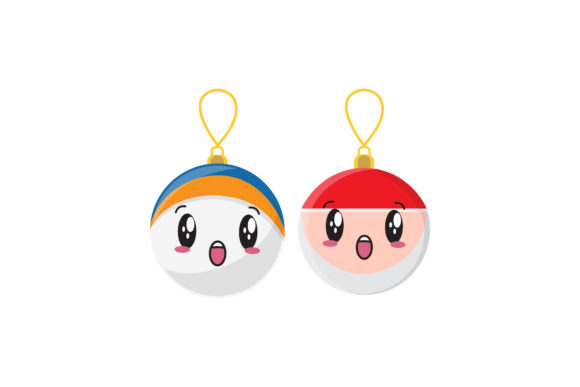
Christmas Snowball Decoration: An Embroidery Review
As a professional embroidery designer and product reviewer, I approach every new asset with a critical eye. When evaluating the Christmas Snowball Decoration for real-world application, my first thought isn't just about how pretty the graphic looks on a screen, but how it will translate into thread on fabric. This design falls under the category of Illustrations and Graphics, specifically provided as vector files. For those of us in the craft business or running an Etsy shop, this distinction matters immensely. Vector formats mean the artwork is openable, editable, and resizable without losing quality in programs like Adobe Illustrator or Corel Draw. However, before you digitize this for your next holiday collection, we need to discuss how this specific aesthetic performs when stitched out on actual merchandise.
First Impressions and Visual Mood
The Christmas Snowball Decoration immediately evokes a sense of nostalgic winter playfulness. The shape is inherently contained, which is excellent for embroidery because circular designs tend to stabilize well within a hoop. Visually, it strikes a balance between whimsical and classic. It doesn't feel overly modern or stark; instead, it carries a softness that suggests texture. As a machine embroidery design candidate, this mood dictates where it belongs. It feels right at home on cozy textiles rather than sleek, high-performance athletic wear. When I look at this graphic, I see potential for rich satin stitch borders and textured fill stitches that mimic the granular surface of snow or the knit of a winter hat. The layout is centralized, making it an ideal focal point for personalized gifts or boutique branding where clarity and instant recognition are key.
Real-World Application: The Custom Sweatshirt Test
To truly judge this design, I mentally placed it into a current project scenario: creating a custom embroidered sweatshirt for a small shop holiday drop. In this context, the Christmas Snowball Decoration serves as more than just clip art; it becomes the anchor of the garment's value. On a heavyweight cotton fleece sweatshirt, the rounded geometry of the snowball allows for clean placement on the left chest or centered below the collar. Because the source files are editable vectors, I can adjust the scale to fit different apparel sizes without worrying about pixelation or jagged edges during the digitizing process.
For this specific use case, I envision converting the outer rim into a raised satin stitch to create definition against the fleece, while using a lighter density fill stitch for the interior to prevent the fabric from becoming bulletproof. This consideration is vital for customer comfort. If the stitch density is too high, the sweatshirt will pucker and feel stiff. By leveraging the vector nature of this graphic, I can manipulate line weights before digitizing to ensure the final handmade product remains soft and wearable. This level of customization is what separates professional commercial embroidery from hobbyist work, directly influencing buyer engagement and perceived value.
Navigating Fabric Limitations and Hoop Sizes
While the Christmas Snowball Decoration is versatile, it requires careful handling depending on the substrate. Not all fabrics treat circular graphics equally. Here are practical considerations based on my experience with similar holiday embroidery projects:
- Stretchy Fabrics and Knits: When applying this to t-shirts or baby clothes, the circular shape can distort if not stabilized correctly. You must use appropriate stabilizer, such as cut-away mesh for stretchy knits, to maintain the perfect roundness of the snowball after washing.
- Textured Surfaces: On terry cloth towels or minky blankets, fine details within the illustration may get lost. You may need to add a knockdown stitch layer beneath the design or simplify the vector lines to ensure the embroidery pops above the fabric texture.
- Small Hoop Constraints: If you are working with a 4x4 hoop size for baby embroidery or sleeve cuffs, verify that the intricate elements of the snowball remain legible when scaled down. Vector files allow resizing, but physical thread has thickness. Details that look crisp in Illustrator may merge into a blob when stitched at two inches wide.
- Dark vs. Light Fabrics: Test your thread colors against both backgrounds. A white snowball on white fabric relies entirely on shadow and texture (tone-on-tone), whereas on dark navy, it needs sufficient underlay to prevent the fabric color from bleeding through the stitches.
Impact on Product Value and Brand Consistency
Using high-quality graphics like the Christmas Snowball Decoration elevates the professionalism of your finished product. For Etsy sellers and creative entrepreneurs, consistency builds trust. When customers see that your tote bag design, embroidered patch, and nursery decor all share cohesive line weights and stylistic choices, they recognize a brand rather than a random assortment of crafts. Because these files are resizable without quality loss, you can create a matching set across vastly different products—perhaps a large version for a pillow cover and a miniature version for a tag or label—while maintaining identical proportions.
This scalability also aids in marketing. You can use the same vector file to create printable mockups for your digital listings that perfectly match the physical item. There is nothing worse for buyer confidence than a listing photo that looks drastically different from the received goods. With editable vector assets, your digital product previews remain accurate representations of your commercial embroidery output, reducing returns and increasing satisfaction.
Designer Notes for Successful Execution
Before you load this design into your machine or list it in your shop, run through this practical checklist. These steps have saved me countless hours and bobbins of wasted thread:
- Verify Licensing: Always confirm whether your purchase includes commercial rights for selling finished items or if it is limited to personal use. This is crucial for small business owners avoiding legal pitfalls.
- Test Stitch on Scrap: Never assume the auto-digitize function understands the nuance of a snowball. Run a test on scrap fabric similar to your final project to check for registration issues or excessive density.
- Check Thread Contrast: View the design in black and white mode in your software. If the design disappears or loses definition without color, your stitch types need adjustment. Good embroidery relies on light and shadow, not just hue.
- Edit Before Digitizing: Since you have access to Adobe Illustrator or Corel Draw, clean up any stray nodes or overlapping paths first. Cleaner vectors result in smoother stitch paths and fewer trims.
- Consider Washability: If this is for baby embroidery or kitchen linens, avoid long floating satin stitches that could snag. Secure all elements properly to ensure the handmade product survives frequent laundering.
Final Thoughts for Makers and Sellers
The Christmas Snowball Decoration offers a strong foundation for holiday collections, provided it is treated with technical respect. Its vector format is its greatest strength, offering the flexibility needed for diverse applications from custom apparel to nursery decor. However, the success of your embroidery project ultimately depends on how well you adapt this graphic to the physical realities of thread and fabric. By testing thoroughly, respecting fabric limitations, and utilizing the editability of the file, you can transform this digital illustration into a tangible, high-value asset for your craft business. Whether you are stitching for a client or stocking your own shelves, let practical judgment guide your creativity to ensure your finished products are as durable as they are beautiful.